Caregiver Dementia Night Survival & Door Discipline
Lockdown routes, knocking pressure, barricade mindset, and co-op callouts.
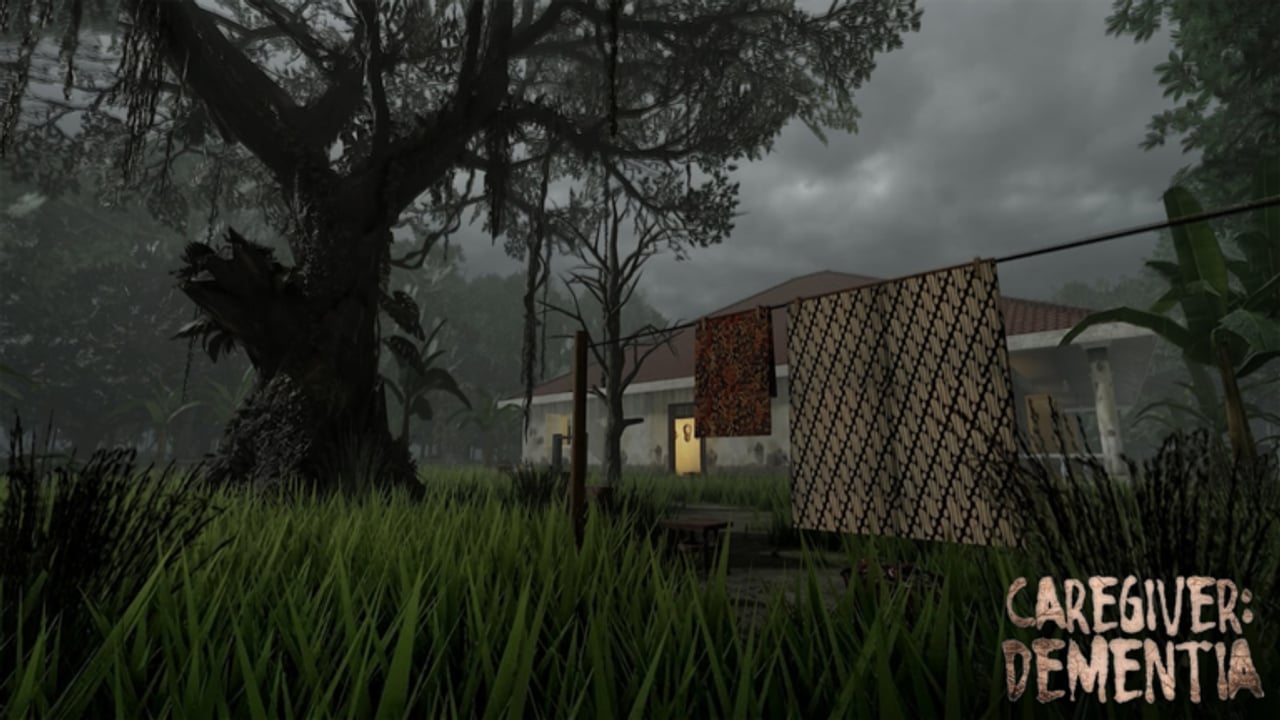
Nights are where Caregiver: Dementia stops being a chore simulator and becomes a contract with teeth. You must lock every door, endure knocking and presence pressure, and reach the nightly save that advances your five-day Mount Gelud job. This guide is the practical companion to the Walkthrough and Getting Started. Fail here and endings, relics, and medicine money fantasies pause.
Wear headphones. Lights low. Indonesian voice acting and bilingual subtitles still help, but spatial audio is the real HUD.
The rule that beats cleverness
If it opens, it locks—or you explain the wipe.
Players lose nights because they:
- Rush lockdown and skip a service door.
- Open up “for one second” when a knock mimics a teammate.
- Split the lobby across dark wings after declaring secure.
- Argue about relics while an exterior latch stays undone.
Clever lore theories belong to afternoon shifts (Relics & Secrets). Night is logistics.
Pre-dusk ritual (start this on Day 1)
- Appoint a door captain in co-op (even duos). Solo: narrate aloud anyway—it slows panic.
- Walk the route while calm. Touch every relevant door in a fixed order (example pattern: upper private → mid halls → front → service/back → side rooms → final verify).
- Name doors with stable callouts everyone repeats.
- Stage the team near a defensible interior once locks are done—not scattered sightseeing.
- Stop cooking new plans. If breakfast ran late, still prioritize locks over perfectionism elsewhere.
Device-specific interact holds: Controls.
Lockdown execution tips
- One pass, one verifier. In co-ops of three+, second player trails confirming latches.
- No sprint-blindness. Sprinting past a door you “definitely hit” is a classic false memory.
- Interact fully. Cancelled prompts look locked in the chaos of Roblox animation.
- Watch sticky doors. If an interactable feels off after a patch, re-check Updates and re-pull the prompt.
- Ignore bait sounds during the tour. Finish the route before investigating audio.
Knocking, barricades, and presence pressure
Expect nights to weaponize hospitality. Knocking can sound needy, angry, familiar, or like Mbah herself depending on your dread filter. Survival habits:
- Do not open for emotional reasons. Care happens on morning shifts; night care is keeping the threshold closed.
- Barricade mindset: if the experience gives you blockers, furniture checks, or hold interactions, assign them before knocks peak.
- Line of sight discipline: staring at a door for ten minutes can spiral; rotate watch roles.
- Voice volume: scream-chat causes missed callouts. Whisper > yell.
- Fake teammate problem: agree on a passphrase if you play voice-heavy lobbies so “it’s me, open up” fails.
The mid-page video captures why some players “can’t watch till the end”—use it as exposure therapy for tension, not as permission to skip learning locks.
Shift discipline across five nights
| Night | Focus |
|---|---|
| 1 | Learn route; accept fear; get the first save |
| 2 | Tighten callouts; ban joke opens |
| 3 | Resist midweek overconfidence; re-verify service doors |
| 4 | Dress rehearsal for finale night; no experiments |
| 5 | Same discipline until the experience resolves your ending |
Remember: progress saves every night. Each successful lockdown is a checkpoint and a character statement about obedience under fear—relevant to finales mapped in All Endings.
Solo vs co-op night differences
Solo: slower but no miscommunication. Take a longer dusk walk. Pause if your hands shake—better a late lock than a missed one.
Co-op (up to 6): faster tours, higher chaos. Failure modes are social. Written role cards help: captain, verifier, Mbah watcher (if night care prompts exist), floaters silent.
Ending fates can still diverge after a shared perfect night. Survival is communal; finales can be personal.
What to do after a wipe
- Breathe. Reload from last night save.
- Identify the concrete mistake (which door, who opened, which bait).
- Adjust roles; do not only “try harder.”
- If a fracture ending triggered, log it for completion, then return to intentional themes.
- Refuse the urge to download a night-door script—Scripts explains the ban and spoiler costs.
Linking nights to broader goals
- Obedience endings love clean nights.
- Escape endings need you alive for Day 5 windows.
- The Heir still demands lockdowns; succession without survival is fanfiction.
- Sacrifice endings may ask costly choices—but rarely “leave the back door open for vibes.”
Rank feelings later on the Endings Tier List Hub. Learn Mbah’s daytime needs on her character page so you do not confuse care with threshold betrayal.
Quick night card (screenshot this)
- Headphones on.
- Door captain speaks.
- Fixed lock order.
- Verifier seconds the pass.
- No opens for knocks.
- Hold until save.
Night is not a jumpscare gallery first—it is a logistics exam graded by folklore. Pass the exam, keep the job, and let daylight be where secrets bloom.
Frequently Asked Questions
Quick answers about endings, relics, and surviving Mount Gelud.
What is the most important night rule?
Lock every door before you sleep and do not reopen for knocking. Your progress saves on successful nights.
Should someone be door captain in co-op?
Yes. One player owns the lock route while another verifies. Clear callouts beat everyone sprinting randomly.
What if a knock sounds like my teammate?
Use a pre-agreed passphrase in voice lobbies and default to keeping doors closed. Afternoon is for reunions; night is for thresholds.
Do scripts that auto-lock doors help?
They risk bans, malware, and spoiled tension. Learn a manual route instead—see the Scripts Hub for why we will not promote executors.
How do failed nights affect endings?
Wipes can force reloads or contribute to fracture finales. Either way, fix the concrete door mistake before chasing The Heir or escape routes.